How to Grow a Low-Maintenance Succulent Garden at Home
Succulents have earned a loyal following for good reason. These water-storing plants come in an impressive range of shapes, colors, and textures while asking for very little in return.
Whether placed in a sunny backyard corner or arranged on a bright windowsill, a succulent garden adds character and greenery without demanding constant attention. Their ability to tolerate dry conditions makes them an excellent choice for beginners, busy homeowners, and anyone looking for a low-maintenance planting option.
With the right setup, a succulent garden can remain healthy and attractive throughout the year with minimal effort.
What Is a Succulent Garden?
A succulent garden is a collection of different succulent varieties planted together either directly in the ground or inside containers. The combination of different sizes, leaf patterns, colors, and growth habits creates an eye-catching display while keeping maintenance surprisingly low.
According to horticulturist and botanical designer Nathan Heinrich, succulents are a distinctive group of plants that store water inside their thick leaves. These unusual-looking plants naturally grow in dry regions and desert climates, allowing them to survive long periods without rainfall.
Heinrich explains, “While they enjoy occasional watering and rain showers, succulents do not tolerate excessive humidity and overwatering, whether indoors or outdoors. A minimum of three to five hours of bright midday sunlight is required for them to thrive.”
Understanding these basic growing conditions is the foundation of building a healthy succulent garden.
Choose the Right Location
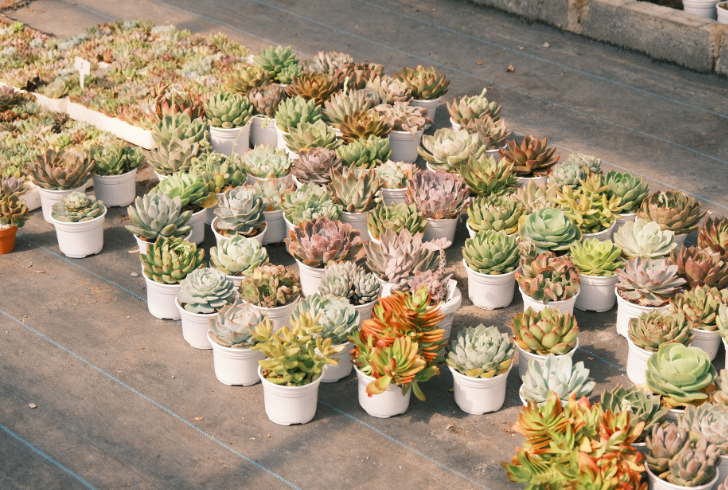
Pexels | Proper placement is key to succulent success, as these plants thrive on abundant light both indoors and out.
The success of a succulent garden begins with proper placement.
Expert gardener Jane Dobbs explains that succulents need abundant light regardless of whether they are grown indoors or outdoors. Indoor arrangements perform best near south-facing or east-facing windows where they receive consistent sunlight. Outdoor gardens thrive in locations with full sun exposure.
Heinrich notes that a dry, sunny, and rocky section of a yard often provides ideal growing conditions. Unlike many garden plants, succulents generally require little ongoing maintenance once established in the right environment.
Before planting, observe how much sunlight the chosen area receives throughout the day. Insufficient light often causes succulents to stretch and lose their compact shape.
Prepare the Soil Properly
Soil quality has a major impact on long-term success.
Succulents prefer soil that drains quickly and does not remain wet for extended periods. Heinrich recommends blending native soil with cactus mix or all-purpose potting soil to improve growing conditions.
This approach offers benefits for different soil types: it helps sandy soil retain essential moisture, enables clay soil to drain faster and prevent waterlogging, and fosters a balanced soil structure that promotes healthier root growth.
Heinrich says, “It’s important to mix your existing soil with the soil mix so that you end up with a balanced soil to plant your succulent plants in. Soil that has too much organic matter and not enough mineral content can lead your succulents to rot due to excess moisture retention.”
Good drainage is one of the most important factors in succulent care.
Plan the Garden Layout
Succulents naturally create eye-catching displays, yet thoughtful planning helps maximize visual appeal and plant health.
Dobbs recommends selecting plants based on their size, growth habit, texture, and watering requirements. Combining different leaf shapes and colors often produces an attractive arrangement without appearing crowded.
Before planting, place the succulents on top of the soil and experiment with different layouts. This simple step allows adjustments before roots go into the ground.
Spacing also matters. Plants need room to mature and adequate airflow around their leaves.
For container gardens, choose pots with drainage holes. According to Dobbs, containers without proper drainage can trap water and contribute to root rot.
Select Succulents That Match Your Conditions
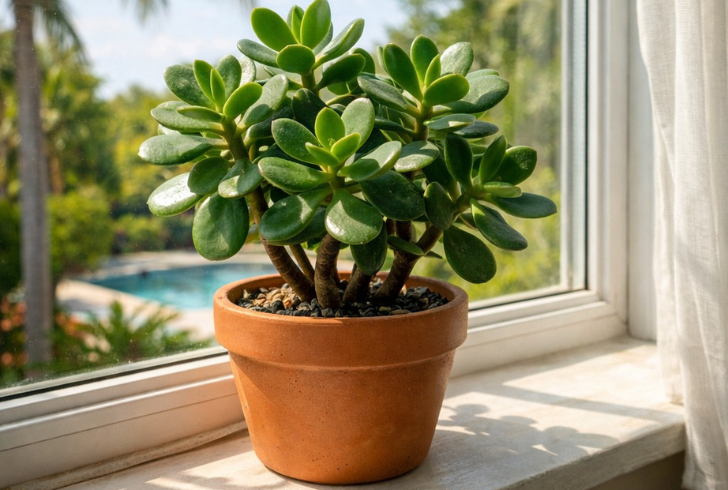
Instagram | yourfarmandgarden | Jade plants are a staple for indoor gardening due to their adaptability and unique, thick leaves.
Not every succulent performs equally in every environment. Choosing varieties suited to local conditions increases the chances of success.
For outdoor gardens, climate should guide plant selection. Dobbs points out that hardier succulents such as Sempervivum and Sedum can tolerate frost, making them suitable choices for colder USDA growing zones.
Indoor gardeners often prefer varieties that adapt well to household conditions.
Popular indoor succulents include jade plants, valued for their thick, fleshy leaves, and zebra plants, which stand out with their distinctive white-striped foliage. Compact succulent varieties are also a great choice for shelves, desks, and windowsills, making them easy to incorporate into smaller spaces.
Researching individual plant requirements before purchasing helps ensure they receive the light and temperature conditions they need.
Grow New Plants From Cuttings
One of the biggest advantages of succulents is how easily wide varieties grow from cuttings.
Nathan Heinrich explains, “If you’re visiting a friend who has a succulent in their garden, ask for a few cuttings, let them heal over for 24 hours, and place them on top of your newly amended soil. If they have a stem, bury them slightly, and within a few weeks, they will have rooted in and become established.”
With patience, an entire succulent collection can grow from propagated cuttings instead of purchased plants.
Heinrich also adds, “There’s something very rewarding about bringing home plant cuttings as souvenirs.”
Gardeners who prefer an instant display can purchase established plants from local nurseries, garden centers, or online retailers. When planting outdoors, Jane Dobbs advises digging holes slightly larger than each root ball, gently positioning the plants, and leaving enough spacing to encourage healthy airflow and future growth.
Water With Care
Watering is often where succulent gardeners make mistakes.
Dobbs advises watering newly planted succulents lightly and allowing the soil to dry before watering again. Newly planted cuttings should receive gentle moisture without becoming saturated.
Once established, succulents do not follow a strict watering schedule. Several factors influence their needs, including local climate, temperature, rainfall levels, soil composition and plant variety.
Heinrich explains that gardeners in regions with regular rainfall may rarely need supplemental watering. In dry climates such as California and Arizona, light watering once or twice per week may be necessary during extended dry periods.
Water needs also decrease significantly during winter and spring.
Overwatering remains the most common issue. Dobbs notes that succulents should only be watered when the soil feels dry.
Soft or mushy leaves often signal excess watering, while prolonged moisture can lead to root rot. On the other hand, wrinkled or shriveled leaves may indicate that the plant needs more water. Monitoring these signs can help maintain the right balance and keep succulents healthy.
Observing the plant’s appearance is often more reliable than following a fixed schedule.
Signs Your Succulent Garden Is Healthy
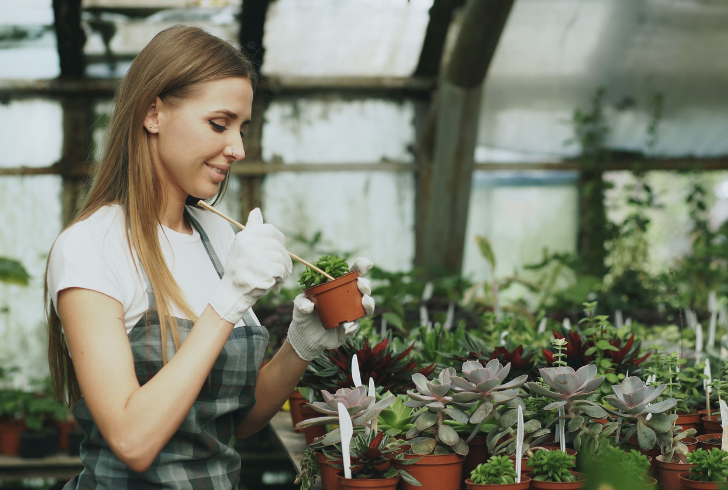
Pexels | Firm, plump leaves indicate a healthy succulent, while shrunken foliage warns of underwatering.
Healthy succulents communicate their condition through visible growth and appearance. Monitoring these indicators helps identify problems early.
1. Firm, Plump Leaves – Well-hydrated succulents typically display thick, firm leaves. Shrunken foliage often signals that additional water is needed.
2. Rich, Vibrant Color – Most healthy succulents maintain strong coloration. While certain varieties change color under environmental stress, consistently vibrant tones generally indicate good health.
3. Steady New Growth – New leaves and offsets, often called baby plants, suggest that the succulent is receiving enough light and nutrients.
4. Compact Shape – A balanced, dense appearance usually means the plant receives adequate sunlight. Leggy or stretched growth often points to insufficient light exposure.
5. Strong Root Development – Healthy roots anchor the plant securely in the soil. If a succulent becomes loose or unstable, drainage issues or improper watering may be affecting root health.
6. Few Pest Problems – Most healthy succulents remain relatively pest-free. Small insects, webbing, unusual spots, or leaf damage should be investigated promptly.
7. Flower Production – Not every succulent blooms. However, flowering often indicates that the plant has reached maturity and is receiving suitable levels of sunlight, water, and nutrients.
A succulent garden offers an appealing combination of beauty and simplicity.
With the right location, well-draining soil, thoughtful plant selection, and careful watering, these resilient plants can thrive both indoors and outdoors. Their wide variety of forms and colors allows endless design possibilities, while their low-maintenance nature makes them accessible to gardeners of all experience levels.
By paying attention to light, drainage, and plant health signals, a succulent garden can remain attractive and healthy for years with surprisingly little effort.